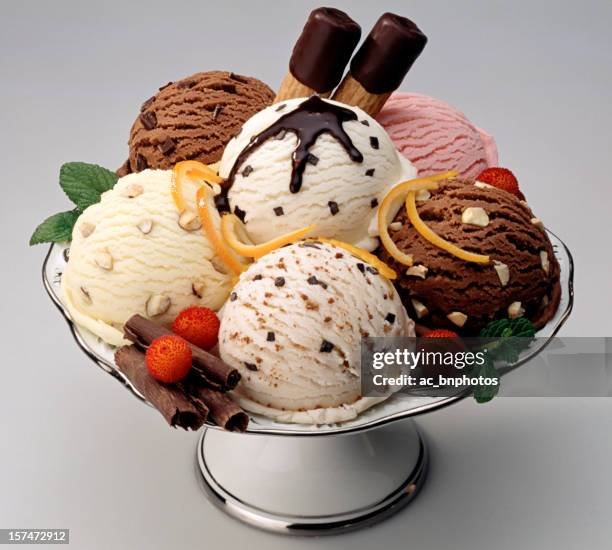
Scooping Success: The Inside Scoop on the Ice Cream Business
Few treats are as universally loved as ice cream. Whether it’s a hot summer day or a chilly evening, ice cream continues to charm customers of all ages. As a business, ice cream presents a blend of creativity, consumer appeal, and year-round potential—making it a favorite among food entrepreneurs. But what does it really take to succeed in the ice cream business?
Why Start an Ice Cream Business?
The ice cream industry is estimated to be worth billions globally, with steady growth due to increasing demand for artisan, dairy-free, and exotic-flavored options. Here’s why it’s a sweet spot for entrepreneurs:
-
High Consumer Demand: Ice cream is a comfort food, making it recession-resistant to some extent.
-
Seasonal Peaks: Summer boosts profits significantly, but creative marketing and indoor venues can make sales consistent year-round.
-
Creative Potential: There’s room to innovate—flavors, formats (cones, cups, bars), dietary needs (vegan, keto), and presentation.
-
Low Barrier to Entry: Compared to full-scale restaurants, starting an ice cream cart, truck, or small parlor requires less initial investment.
Types of Ice Cream Businesses
-
Ice Cream Parlors: Traditional sit-down or takeaway shops.
-
Mobile Ice Cream Trucks: Great for events and neighborhood rounds.
-
Cart/Kiosk Models: Suitable for malls, festivals, or tourist hotspots.
-
Wholesale & Distribution: Selling to retailers, cafes, or grocery stores.
-
Franchise Models: Investing in a known brand to benefit from established systems.
Key Steps to Launch an Ice Cream Business
1. Market Research
-
Study local competition.
-
Understand customer preferences—do they prefer traditional flavors or artisanal experiences?
-
Identify gaps in the market (e.g., dairy-free, sugar-free, or locally sourced options).
2. Business Planning
Your business plan should include:
-
Business model (parlor, truck, etc.)
-
Startup costs and funding plan
-
Pricing strategy
-
Marketing and branding approach
-
Operations and staffing
3. Licensing and Health Regulations
Since you’re dealing with food, you’ll need:
-
Business licenses
-
Health and safety certifications
-
Food handler permits
-
Compliance with local food service regulations
4. Product Development
-
Choose your product line: soft serve, gelato, frozen yogurt, or handcrafted.
-
Source quality ingredients.
-
Test flavors and get feedback.
-
Consider dietary inclusivity (gluten-free, vegan, etc.)
5. Equipment and Setup
Essential equipment includes:
-
Freezers and refrigerators
-
Ice cream machines
-
Display cases
-
POS systems
-
Storage containers and utensils
6. Branding and Marketing
-
Create a memorable brand name and logo.
-
Use social media to build a local following.
-
Offer seasonal flavors, loyalty programs, and events to keep customers engaged.
-
Partner with delivery platforms to expand your reach.
Challenges in the Ice Cream Business
-
Seasonal Demand: Income may dip in winter unless diversified with hot beverages or desserts.
-
Storage and Shelf Life: Ice cream requires constant freezing, and spoilage can be costly.
-
High Competition: Standing out in a crowded market requires unique branding and flavors.
-
Health Conscious Trends: A shift toward healthy eating means many consumers now prefer low-sugar or non-dairy options.
Trends Shaping the Future
-
Plant-Based Ice Creams: Almond, oat, and coconut milk-based options are rising in popularity.
-
Hyper-Local Sourcing: Consumers are drawn to local ingredients and sustainable practices.
-
Experience-Driven Sales: Instagram-worthy parlors, interactive flavor stations, and personalized desserts are driving foot traffic.
-
Tech Integration: Online ordering, mobile apps, and digital loyalty programs are becoming standard.
Conclusion
The ice cream business offers a flavorful blend of passion, innovation, and profitability. While it’s not without its challenges, a well-planned approach, commitment to quality, and an eye on evolving consumer tastes can turn a scoop into a thriving enterprise. For those willing to put in the work, the rewards can be as sweet as the product itself.
If you need this adapted into a shorter version for social media, a pitch deck outline, or a business plan format, let me know!